-
Wyślemy: Monday (28 September)
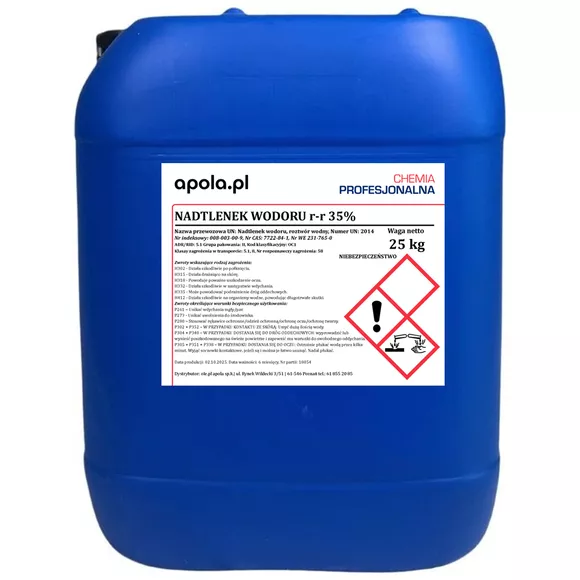
Hydrogen peroxide solution 35% (perhydrol) canister 25 kg
- Kod produktu: A7025
- Manufacturer: APOLA Chemia Profesjonalna
-
Availability:
Product available.
- Add feedback:
-
Watch the product:
- 31.53 € 38.78 € gross
- szt.
Order now, we will send today!
Today's shipment is available for only:
Place your order now, we will send your wares in:
Monday (28 September) o 2:00 PM Monday (28 September) o 2:00 PM 0 szt. in stock, shipping: Monday (28 September) o 2:00 PMdziśNa skróty:
Parameters
Product available exclusively for companies.
Order fulfillment possible after submission of the buyer's declaration.
Sales are not conducted for private individuals / consumers.
Hydrogen peroxide aqueous solution 35% (perhydrol)
- Chemical formula: H2O2
- CAS / EC / index number: 7722-84-1 / 231-765-0 / 008-003-00-9
- Concentration: 35% (m/m), aqueous solution
- Form / color / odor: colorless liquid, characteristic odor
- Density (20 °C): approx. 1.13 g/cm³
- pH (20 °C): 2–3
- Molar mass (H2O2): 34.01 g/mol
- Solubility: completely miscible with water
- Freezing point (35%): approx. −33 °C
- Boiling point (35%): ~108 °C (with decomposition)
- Properties: strong oxidizer, corrosive; the solution may undergo slow decomposition (release of oxygen)
- Packaging: HDPE canister with UN certification, DIN 61 cap, with seal and vent
- Legal notes (EU): listed in Regulation (EU) 2019/1148 as a precursor to explosives – restrictions on trade for private users
Characteristics and technological advantages
Perhydrol (H2O2 35%) is a strong, oxygen-based oxidizer with a wide range of applications. Its action results from the controlled decomposition into water and oxygen, which means it does not leave foreign compounds in the process environment. The product is chlorine-free, does not introduce halides, and typically does not generate persistent by-products.
In industrial practice, a 35% solution serves as a concentrated raw material, which — according to the safety data sheet and manufacturer’s instructions — is diluted to working levels appropriate for a given application. Below is an outline of the most common areas of use.
Applications (industry overview)
Food and beverage industry
-
Disinfection of packaging and aseptic lines: Hygiene of surfaces in contact with food (PET/HDPE, multilayer cartons, caps). After contact time and possible neutralization, residues decompose into H₂O and O₂.
-
CIP cleaning / biocidal rinsing of installations: Limiting biofilm and opportunistic microflora in dairies, breweries, juice factories.
-
Deodorization / oxidation of difficult organic deposits: In raw material preparation areas, waste logistics, and inter-process wastewater.
Water and wastewater treatment
-
Odor removal: Oxidation of sulfides, mercaptans, and other odoriferous compounds in process waters and municipal/industrial wastewater.
-
Microbiological control of process water: Supporting disinfection – often in systems with UV or ozone to reduce doses of reagents and by-products.
-
Advanced oxidation processes (AOP): H₂O₂ + UV/ozone/catalyst for the degradation of micro-pollutants and hard-to-biodegrade compounds (e.g., phenols, aldehydes, traces of aromatic amines).
Healthcare and professional hygiene
-
VHP (vaporized hydrogen peroxide): 35% H₂O₂ as a precursor for generating vaporized hydrogen peroxide for decontaminating cleanrooms, isolators, biosafety cabinets, and temperature-sensitive equipment.
-
Disinfection of surfaces and equipment: After preparing working solutions – wide spectrum of action (bacteria, viruses, spores). An alternative to chlorine-based agents, limiting the formation of chlorinated by-products.
Pulp and paper industry
-
Bleaching of pulp and paper: Oxidizing bleaching without chlorine, reducing AOX load in wastewater.
-
Decolorization and bleaching of fibers: Cotton, viscose – a preliminary stage before dyeing/finishing; control over fiber strength loss by optimizing pH, temperature, and stabilization.
Maintenance and technical cleaning
-
Removal of deposits and organic discolorations: Protein-fat stains, soot, secondary discolorations from vegetable oils on compatible substrates.
-
Reduction of biofilm: An element of sanitation programs in processing and water installations (tanks, lines, coolers).
Electronics and precision processes
-
Micro-etching / surface preparation: Component of baths for processing copper and alloys (PCB/EMS), usually in systems with mineral acids.
-
High purity cleaning: Component of formulations for decontaminating optical and metal parts – necessary compatibility tests (aluminum, copper, brass, sinters).
Laboratories, synthesis, and process chemistry
-
Auxiliary oxidizer: Reagent for selective oxidations, generating oxygen, supporting termination and cleaning reactions.
-
Neutralization of post-reaction contaminants: Oxidation of traces of sulfites, aldehydes, phenols, aromatic amines before directing the stream to purification.
Agriculture and aquaculture (professional applications)
-
Hygienization of irrigation systems: Limiting biofilm and microbiological blockages in drip lines; protecting emitters and uniformity of distribution.
-
Disinfection of work surfaces and containers: Packing, sorting, greenhouse farms – as part of GHP/GMP.
Environmental protection and health and safety
-
Odor detoxification and emergency neutralizations: Rapid reduction of odors at landfills, in pumping stations, and sedimentation tanks; supporting the decomposition of sulfur and nitrogen compounds with unpleasant odors.
No consumer applications
Perhydrol 35% is a professional product. It is not intended for retail/home applications or for the independent preparation of consumer products.
A concentration of 35% is a popular storage standard: it provides high stability and predictability of parameters, while being logistically convenient. It is easy to prepare working solutions with required concentrations for various technological lines.
Work safety: 35% H2O2 is corrosive and a strong oxidizer — personal protective equipment (gloves, eye/face protection, clothing), compatible materials (HDPE, PTFE, acid-resistant steel under certain conditions), and ventilation are required. Avoid contact with catalytic metals, alkaline and organic reducing agents.
How to use (example working dilutions)
Prepare working solutions by slowly adding perhydrol to water (never the other way around), in a cool and well-ventilated place. Examples of calculations:
- 1% H2O2 from 35%: 1 part perhydrol + 34 parts water (1:34).
- 2%: 1 part + 16.5 parts water (≈1:16.5).
- 3%: 1 part + 10.7 parts water (≈1:10.7).
The choice of concentration, temperature, and contact time depends on the process/installation and should result from company procedures, industry standards, or equipment manufacturer documentation. After sanitizing surfaces that come into contact with food – always rinse with potable water.
Labeling according to Regulation (EC) No. 1272/2008 [CLP/GHS]
HAZARD / Contains: hydrogen peroxide, aqueous solution
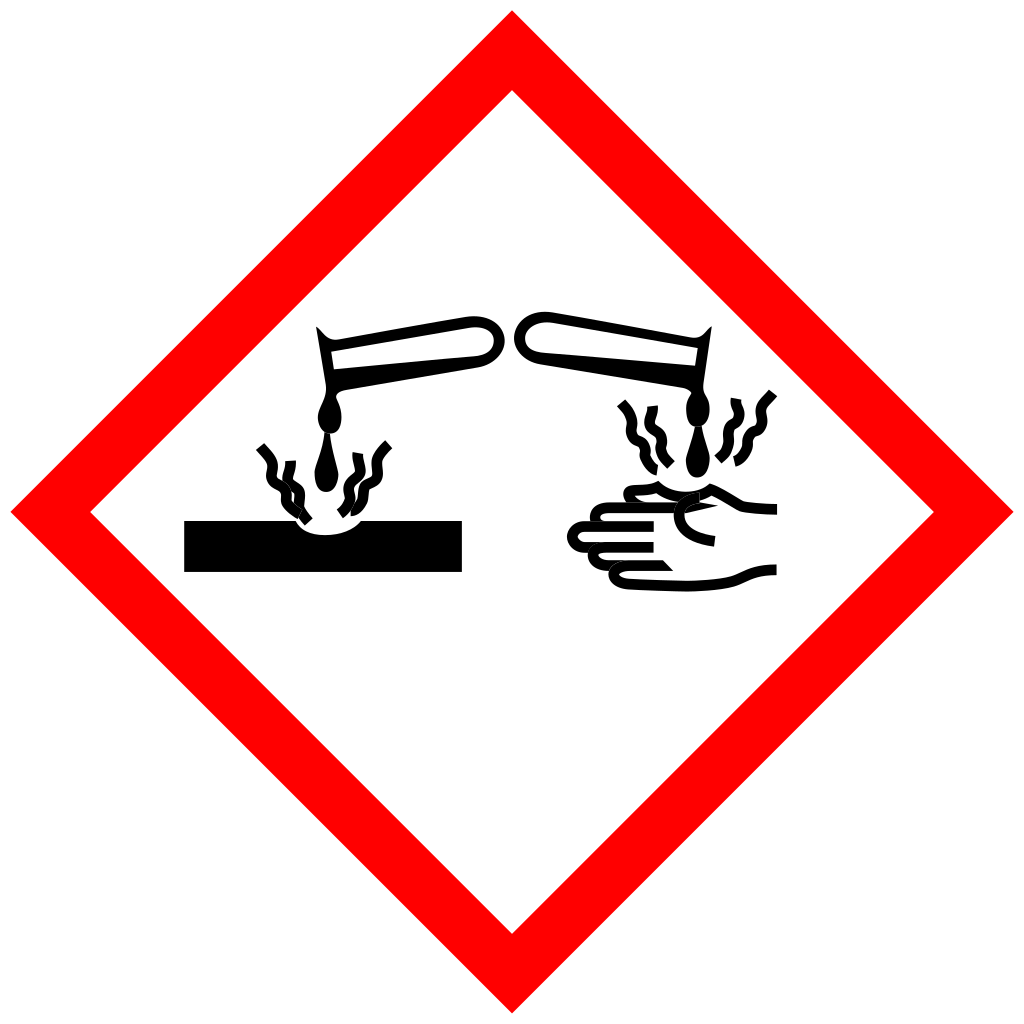
Corrosive substances |
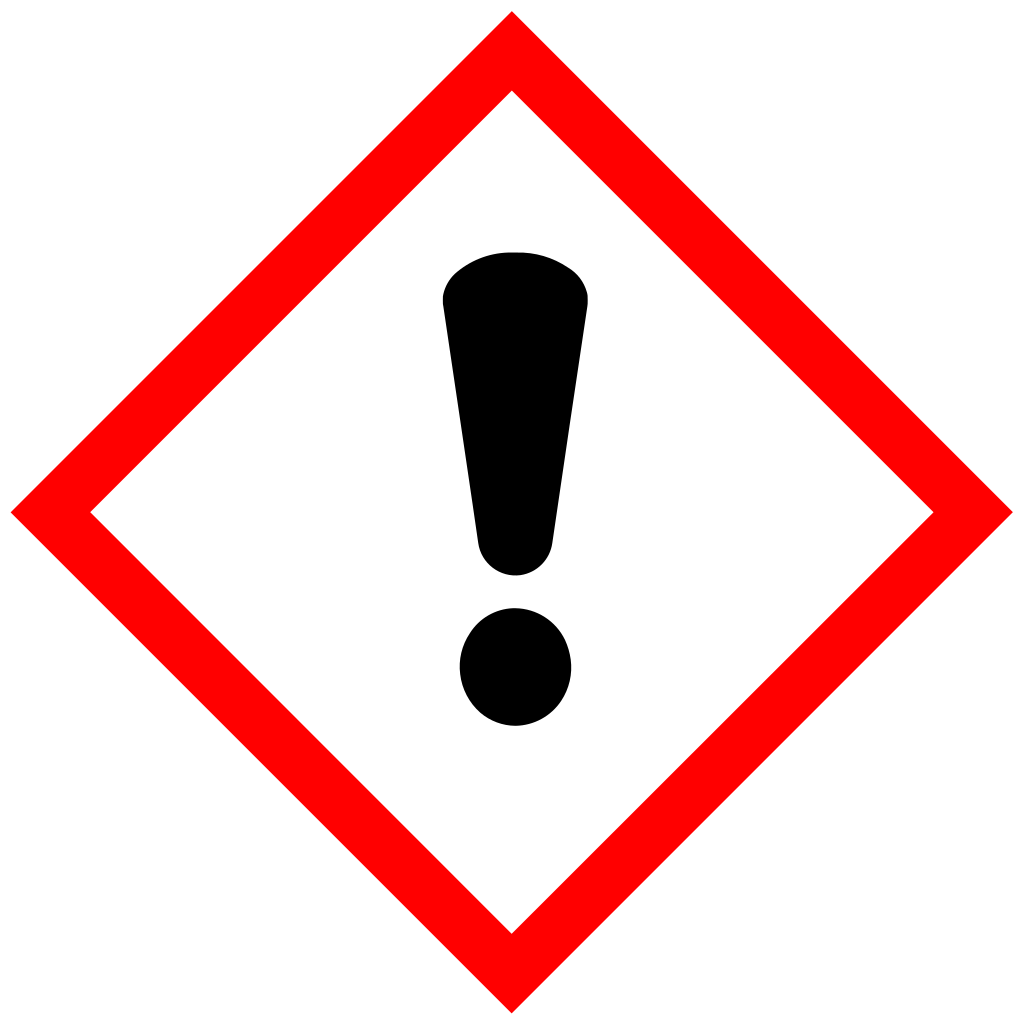
Irritant substances |
|
Hazard statements: |
|
Precautionary statements: |
Purchase of hydrogen peroxide 35% – legal information and requirements
According to Regulation (EU) 2019/1148 of the European Parliament and of the Council, hydrogen peroxide at a concentration of 35% is a precursor of explosives subject to restrictions. The product may only be made available to:
We do not sell to the general public (private individuals). What is required for purchase?
Failure to send a correctly completed declaration will result in the cancellation of the order. |
|
Information regarding ADR transport: |
 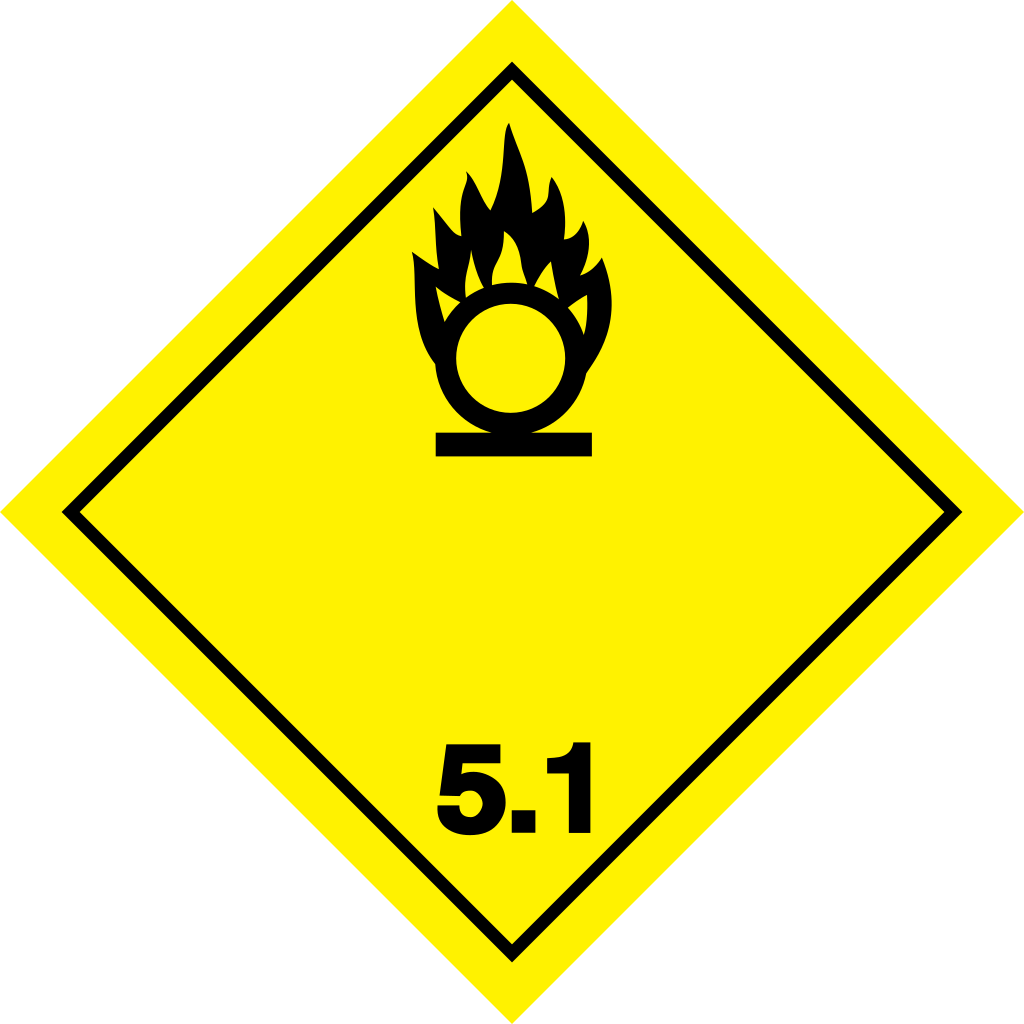 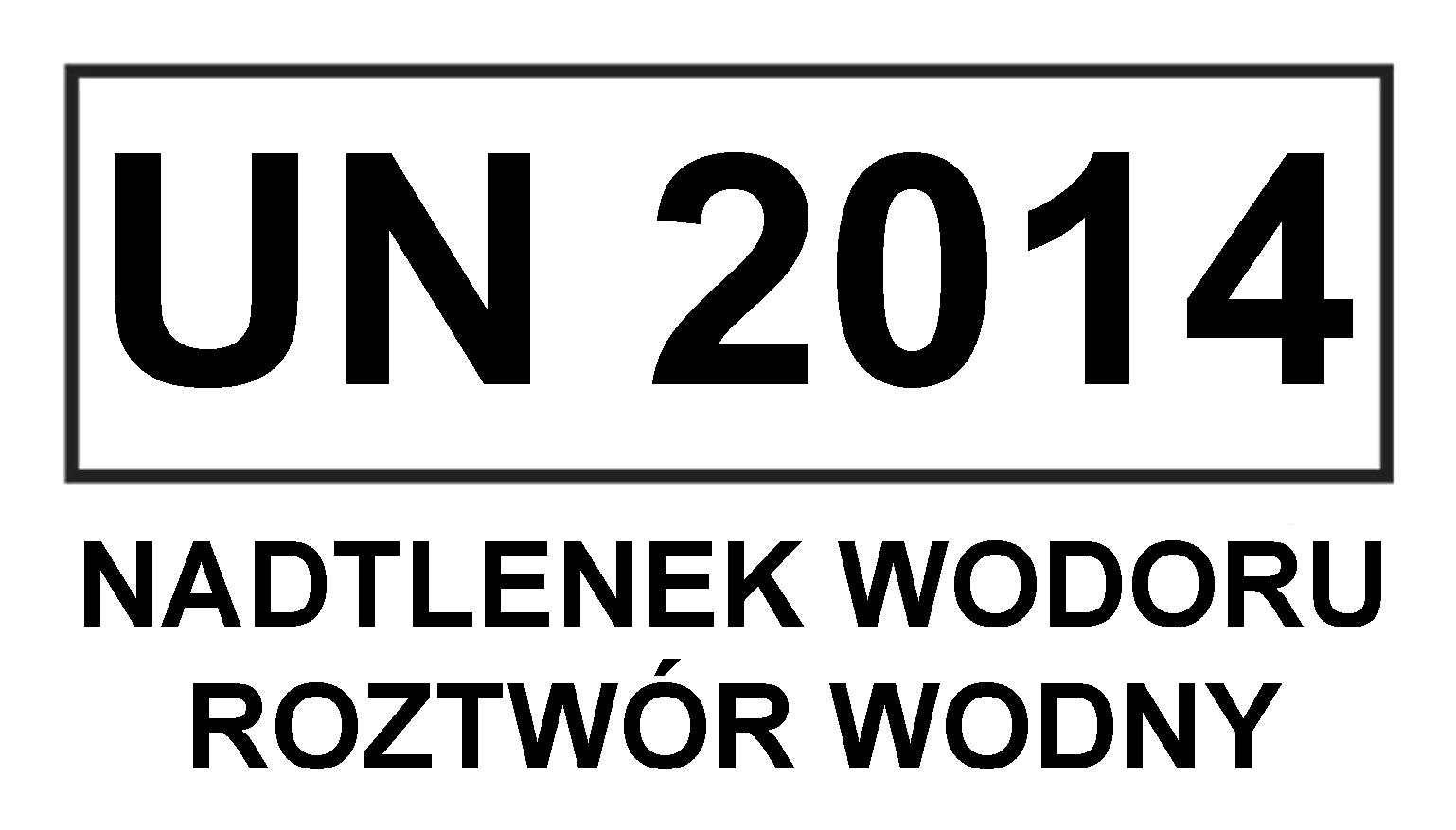 |
| Download | Description | Download |
|---|---|---|
 Product card (printable) Product card (printable) |
Ask a question about the product. Our team will be happy to provide a detailed answer to your inquiry.
How much sodium hypochlorite is needed to equip a well?
Hydrogen peroxide in fabric bleaching – a practical guide for the company
Hydrogen peroxide in horticulture – a practical guide





 Polski
 Czech
Czech
 German
 Spanish
 Slovak