Toilet paper without trees? Discover the innovation that is changing the hygiene industry.
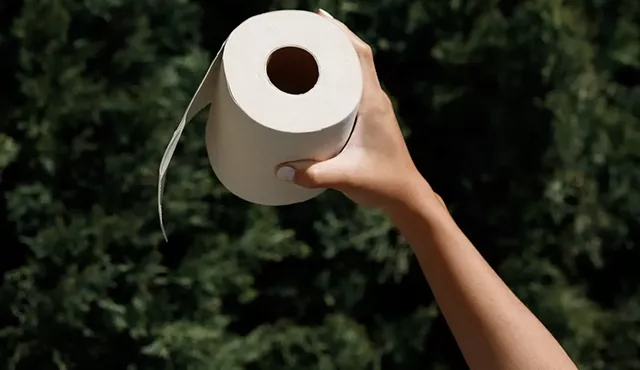
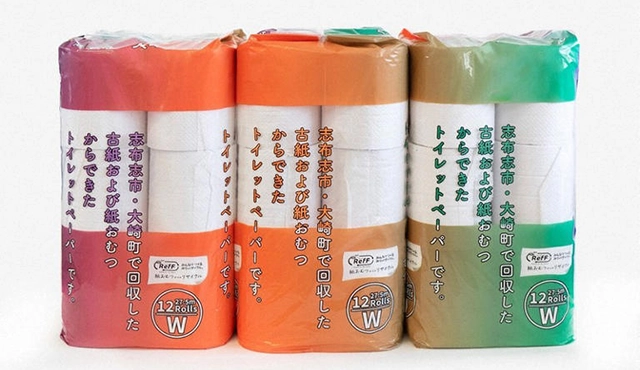
Toilet paper made from recycled diapers - a Japanese innovation for the environment
In Japan, the world's first toilet paper made from used diapers has been created, which is a groundbreaking achievement in the field of recycling of hygiene waste. The project, carried out by Unicharm Corp., is based on advanced technology that allows for safe processing of used materials. The process includes thorough sterilization, odor neutralization, and bleaching of diapers, from which cellulose fibers are extracted for further production. As a result, a modern, clean, and safe toilet paper is produced, with quality comparable to products made from primary resources.
The goal of this innovation is not only to reduce the amount of waste sent to landfills, but also to address demographic challenges such as an aging population and an increasing number of used adult diapers. According to data, used diapers make up a significant percentage of municipal waste in Japan, so their reuse has a real impact on reducing negative impact on the environment.
This initiative has the potential to revolutionize the way we perceive hygiene waste and serve as an inspiration for other countries to implement similar solutions in the spirit of a circular economy. It is proof that even the most unconventional waste can be transformed into a valuable and useful product - all it takes is the right technology, vision, and commitment.
Bamboo as an alternative to traditional cellulose
Every day, thousands of trees are cut down around the world to obtain cellulose for toilet paper production, contributing to deforestation, loss of biodiversity, and carbon dioxide emissions. In the face of the growing need for environmental protection and the search for more sustainable solutions, bamboo is becoming an increasingly popular alternative. It is the fastest growing plant in the world - some species can grow up to a meter or two in a single day - making it exceptionally efficient and renewable resource.
Bamboo does not require the use of pesticides or intensive watering, it grows on poor soils and regenerates after cutting without the need for replanting. Thanks to these properties, its cultivation has a much smaller impact on the environment than tree plantations used for cellulose production. Additionally, bamboo absorbs more carbon dioxide and produces more oxygen than most deciduous trees, making it an ally in the fight against climate change.
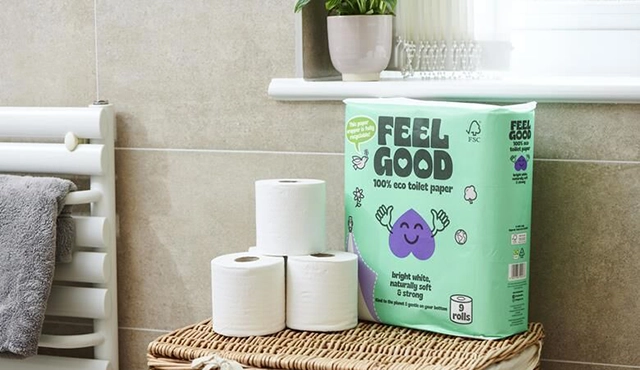
Companies such as Reel Paper, Who Gives A Crap, and Bumboo invest in technologies that allow bamboo to be processed into soft, durable, and fully biodegradable toilet paper that is of the same quality as traditional products. These products are often packaged without plastic and available in versions without chemical bleaches, which further increases their ecological character. The use of bamboo in the paper industry not only reduces deforestation, but also supports the idea of a circular economy and promotes conscious consumer choices.

New approach to packaging: Bambox
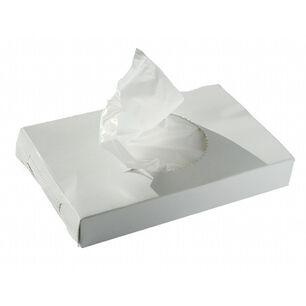
Traditional toilet paper, rolled into rolls, is characterized by a large volume in relation to its weight, which means inefficient use of space during transportation and storage. This logistical problem inspired the startup Bambox to create a breakthrough solution that can completely change the way toilet paper is packaged and distributed. Instead of traditional rolls, Bambox offers folded paper (known as "interfold") which is then placed in a compact, aesthetically pleasing cardboard box.
This approach allows to reduce the volume of individual packaging by up to 50% compared to traditional rolls. This in turn means less space consumption in transportation, lower logistics costs, and reduction of carbon dioxide emissions associated with product transportation. For stores and warehouses, it also means saving space, and for consumers - easier storage and more convenient access to paper.
Bambox is taking a step further towards sustainable development - toilet paper is produced from renewable bamboo, which reduces the need for tree cutting. Additionally, the company avoids using plastic in packaging, which further enhances the eco-friendly nature of the product. Bambox's solutions are an example of how through thoughtful innovations, it is possible to improve process efficiency and care for the environment, redefining a product that is used by billions of people worldwide every day.

Innovative fibrous materials - a new face of toilet paper
WEPA Group, one of the largest European producers of toilet paper, has been focusing on innovations supporting sustainable development for years. One of their key areas of action is the implementation of alternative, environmentally friendly fibrous materials. Instead of relying solely on primary cellulose obtained from trees, the company uses fibers from recycled cardboard, which are processed in the modern WEPA plant in Leuna, Germany.
This technology allows for the production of high-quality, soft and durable toilet paper that meets all user requirements, while also having a significantly lower impact on the environment. The use of recycled fibers reduces the demand for primary resources, which limits deforestation and reduces water and energy consumption in the production process. WEPA estimates that by using recycled fibers, it is possible to reduce CO₂ emissions by even several percent compared to conventional methods.
The company's actions align with the concept of a circular economy, where waste becomes a raw material for the production of new products. In this way, the WEPA Group not only reduces its carbon footprint, but also promotes a business model that is more responsible and adapted to the challenges of the modern world. The innovative approach to fibrous raw materials may eventually become the new standard in the paper industry, changing the way we perceive and use everyday products.
Modern production technologies - the future of toilet paper
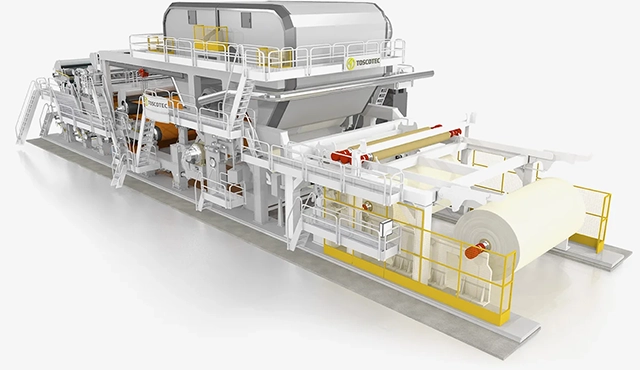
Technological development has a huge impact on the paper industry, and one of the latest examples of this trend is the modernization of the Italian factory Cartiera Confalone. The plant has installed an advanced production line AHEAD 2.2, created by the renowned company Toscotec, a leader in solutions for the paper industry. This line is equipped with a number of innovative elements that not only increase efficiency, but also improve the quality and environmental efficiency of the entire production process.
Among the key technological components is the TT NextPress press, which allows for more efficient dewatering of fibers while reducing energy consumption. The second important element is the TT SYD Steel Yankee Dryer - the largest of its kind in the world - which enables fast and even drying of paper while maintaining its softness and strength. Thanks to these solutions, Cartiera Confalone can produce over 35,000 tons of toilet paper annually, significantly increasing the production capacity of the plant.
New technological line also allows for precise control over production parameters, resulting in reduced consumption of resources, optimization of water and energy usage, and minimization of post-production waste. This not only improves the quality of final products such as toilet paper, paper towels, and tissues, but also reduces the company's environmental footprint. Investing in modern technologies is a step towards a more sustainable, automated, and efficient production that meets the needs of the market and the expectations of environmentally conscious consumers.
Summary
The toilet paper industry, although lacking innovation for years, is now rapidly developing, responding to the growing needs of sustainable development and environmental protection. Breakthrough solutions, such as Japanese paper made from recycled diapers, eco-friendly bamboo paper, compact Bambox packaging, or the use of secondary fibers by the WEPA Group, show that the future of hygiene products can not only be more environmentally friendly, but also more efficient and technologically advanced.
Modern production lines, intelligent raw material management, and innovative approach to packaging are redefining the concept of toilet paper. Thanks to these changes, consumers can increasingly reach for products that combine daily convenience with care for the planet. This article shows that even such a mundane product as toilet paper can become a symbol of ecological transformation and conscious consumer choices.
Author: Marcel Apola


















 Polski
 Czech
Czech
 German
 Spanish
 Slovak