Soaps in public restrooms: types, selection criteria, and justification for choice.

Maintaining high standards of hand hygiene in public spaces is crucial for public health. In public restrooms, "appropriate" soap is one that users are willing and able to use correctly, while also being safe, cost-effective, and easy to operate. The following document provides an organized overview of the most important soap formats, indicates which ones dominate in practice and why, and discusses the differences between various types of liquid soaps and the criteria for their selection.
1) The most important types of hand soaps
Bar soap (rare in public places)
-
Characteristics: Solid bars made from the saponification of fats/oils.
-
Advantages: Minimal packaging, long shelf life, simple compositions.
-
Limitations: Unfavorable hygienic perception in shared use; tendency to get dirty and accumulate water in the soap dish; difficult dosage control; lower ergonomics.
-
Typical use: Small, low-traffic restrooms, boutique facilities.
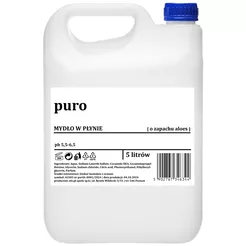
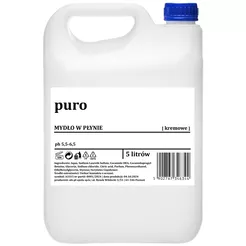
Liquid soap/gel poured in bulk - common
-
Characteristics: Sticky formula poured into an open reservoir of the dispensing device.
-
Advantages: Low initial cost, wide compatibility.
-
Limitations: Increased risk of contamination during refilling; viscosity fluctuations leading to clogs; higher service costs; risk of spills.
-
Recommendation: Facilities with moderate traffic and appropriate sanitary supervision.
Liquid soap/gel in closed cartridges - common
-
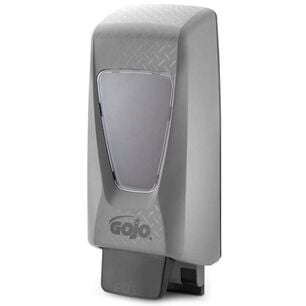
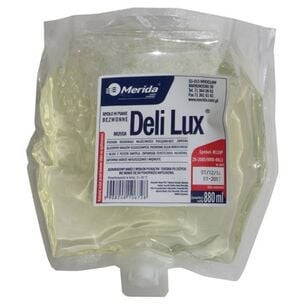
Characteristics: Factory-sealed bags/cartridges installed in compatible dispensers.
-
Advantages: High level of hygiene (limited risk of contamination), quick and clean exchange, predictable dosage, lower failure rate.
-
Limitations: Dependence on the manufacturer's system; higher unit price often balanced by lower consumption due to dosage control.
-
Recommendation: Facilities with medium and high traffic (offices, schools, airports, service establishments).
Foam soap - common
-
Characteristics: Concentrate foamed mechanically in the dispensing head.
-
Advantages: Lower working dose per use (~0.3–0.6 ml compared to ~0.8–1.2 ml for gels), quick spreading and rinsing, positive user experience.
-
Limitations: Requires dedicated dispensers; in very hard water, foam may be less stable.
-
Recommendation: Areas with high traffic where it is important to reduce product, water, and refill frequency.
Abrasive/powdered soaps (niche)
-
Characteristics: Preparations with an abrasive component for removing heavy dirt (greases, oils, paints).
-
Advantages: High effectiveness in specific applications.
-
Limitations: Inadequate for standard restrooms; may cause dirt and strain on installations.
-
Recommendation: Only in designated work areas.
Dominant solutions: In commercial and public utility applications, closed cartridge systems dominate; within them, foam soaps are widely used due to lower consumption per wash and favorable user experiences. Classic gels in cartridges remain popular where a "richer" feel is preferred or where very hard water is present.
2) Liquid soap vs. foam soap - comparison
| Criterion | Liquid soap/gel | Foam soap |
|---|---|---|
| Typical dose per use | ~0.8–1.2 ml | ~0.3–0.6 ml (concentrate) |
| Washing experience | Fuller, "creamy" | Light, even, "premium" |
| Rinsing time | Somewhat longer | Usually shorter |
| Refill frequency | Higher | Lower |
| Required equipment | Standard pump | Foam generator head |
| Maintaining cleanliness of the dispensing area | Higher risk of dripping | Usually cleaner |
Operational conclusion: Foam promotes the reduction of product consumption and service time. Gel is preferred for visible dirt and when a "richer" feel is expected.
3) Liquid soap formulations - deciding factors
Most liquid soaps used in public restrooms are based on synthetic detergents. The quality and suitability are determined by the following elements:
a) Surfactant system
-
SLES/SLS (e.g., sodium laureth sulfate): High effectiveness and good foaming at reasonable costs; possible drying effect on sensitive individuals.
-
Amphoteric/nonionic (e.g., cocamidopropyl betaine, glucosides): Milder, preferred in formulations for frequent washing and for sensitive skin.
-
Additives: Glycerin, panthenol, aloe, light esters - improve skin comfort and reduce dryness (important in gastronomy and healthcare).
How to choose: Stronger systems for heavy dirt and short washing; milder where hands are exposed to frequent washing or irritation.
b) Viscosity
-
Importance: Dispensers are designed for a specific viscosity range. Too thick a formula promotes clogs and under-dosing; too thin - leaks and splashing.
-
Practice: Liquid soaps/ gels ~2000–5000 cP; foam concentrates are significantly thinner.
Selection: Unconditionally adjust to the specifications of the dispenser manufacturer; do not mix formulas and brands randomly.
c) pH and skin tolerance
-
pH close to physiological (≈5–6): Usually better tolerance.
-
Neutral/slightly alkaline pH: The feeling of "squeaky clean," potentially greater dryness.
Selection: In environments with frequent washing, formulas with pH close to physiological are recommended.
d) Functional additives and claims
-
Moisturizers: Glycerin, sorbitol, betaine - reduce irritation.
-
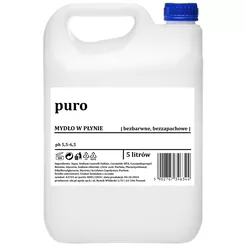
Fragrance and dye: Improve user experience vs. risk of hypersensitivity; in gastronomy and sensitive areas, unscented and colorless variants are recommended.
-
Antiseptic ingredients: Benzalkonium chloride (BZK), chlorhexidine, and others - used where hygienic washing standards are required; in standard public restrooms, soap without biocidal substances is usually sufficient, provided the washing procedure is correct.
-
Environmental aspects: Eco-labels (e.g., EU Ecolabel), concentrated formulations, cartridges with less packaging weight.
4) Dispensing systems and hygiene: open vs. closed solutions
-
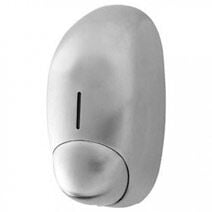
Open systems (bulk refilling): Lower initial cost; significant need for regular cleaning and disinfection of tanks; real risk of contamination during refilling.
-
Closed systems (cartridges): Each exchange replaces the product flow path; limited risk of contamination, shorter service time, repeatable dosage.
Touchless vs. manual dispensers:
Touchless reduce the number of contact points and usually provide better dosage control; however, they require power supply (batteries). Manual solutions are simpler and cheaper to maintain.
5) Application selection - operational recommendations
-
Airports, shopping centers, stadiums (very high traffic): Foam in closed cartridges, touchless dispensers, pH-balanced formulas, gently scented or unscented.
-
Offices and schools: Foam or mild gel in closed cartridges; moisturizing additives for better tolerance.
-
Gastronomy (front and back): Unscented, colorless foams/gels in closed systems; visible handwashing instructions.
-
Public areas of medical facilities (outside clinical stations): Mild, pH-balanced formulas; if required - preparations with antiseptic components in line with infection control policy.
-
Workshops/industry: Gels for heavy dirt or abrasive soaps at dedicated stations; in general restrooms - standard foams/gels to avoid straining installations.
6) Cost, environment, and user experience
-
Cost per use: foams, due to lower doses, reduce product consumption and refill frequency. Higher cartridge costs are often offset by lower consumption and labor savings.
-
Waste management: bags/cartridges with low weight and concentrated formulations reduce plastic consumption and logistics costs.
-
Water consumption: foam facilitates quick spreading and rinsing, which translates into water savings on a large scale.
-
Accessibility and compatibility: installation of dispensers according to height and reach requirements, ergonomics conducive to proper handwashing.
7) Checklist when purchasing
-
Traffic intensity and service resources.
-
Dispenser compatibility (foam vs. gel, viscosity range).
-
Skin tolerance: pH close to physiological, presence of moisturizers.
-
Environmental and sanitary requirements: eco-labels, requirement for unscented/colorless.
-
Risk of contamination: preference for closed systems.
-
Total cost of ownership (TCO): product + labor + downtime + waste management.
-
Change management: staff training and consistency in selecting cartridges.
Conclusion
In most modern facilities, the best solution is foam soap in a closed cartridge system, with a pH close to physiological, preferably mild formula, and (where justified) without fragrance and dyes. This solution balances hygiene requirements, user comfort, service efficiency, and operational costs. Gel soaps are worth considering when a fuller feel is preferred, greater "cleaning power" is required, or there are equipment limitations (dispensers exclusively for gel). The selection of a specific soap formulation should be based on the facility profile, regulatory requirements, and user expectations.



 Polski
 Czech
Czech
 German
 Spanish
 Slovak